MadFlux: data-driven green infrastructure for cooler, resilient campuses
A student-led initiative at PSBB KKN, Chennai — combining Digital Twin (VPTER) technology and CFD simulations — to implement real change aimed at improving environmental health and infrastructure, and most importantly, engaging the community.
- Projects
- 6+
- Community Projects
- Lives Impacted
- 5k+
- Lives Impacted
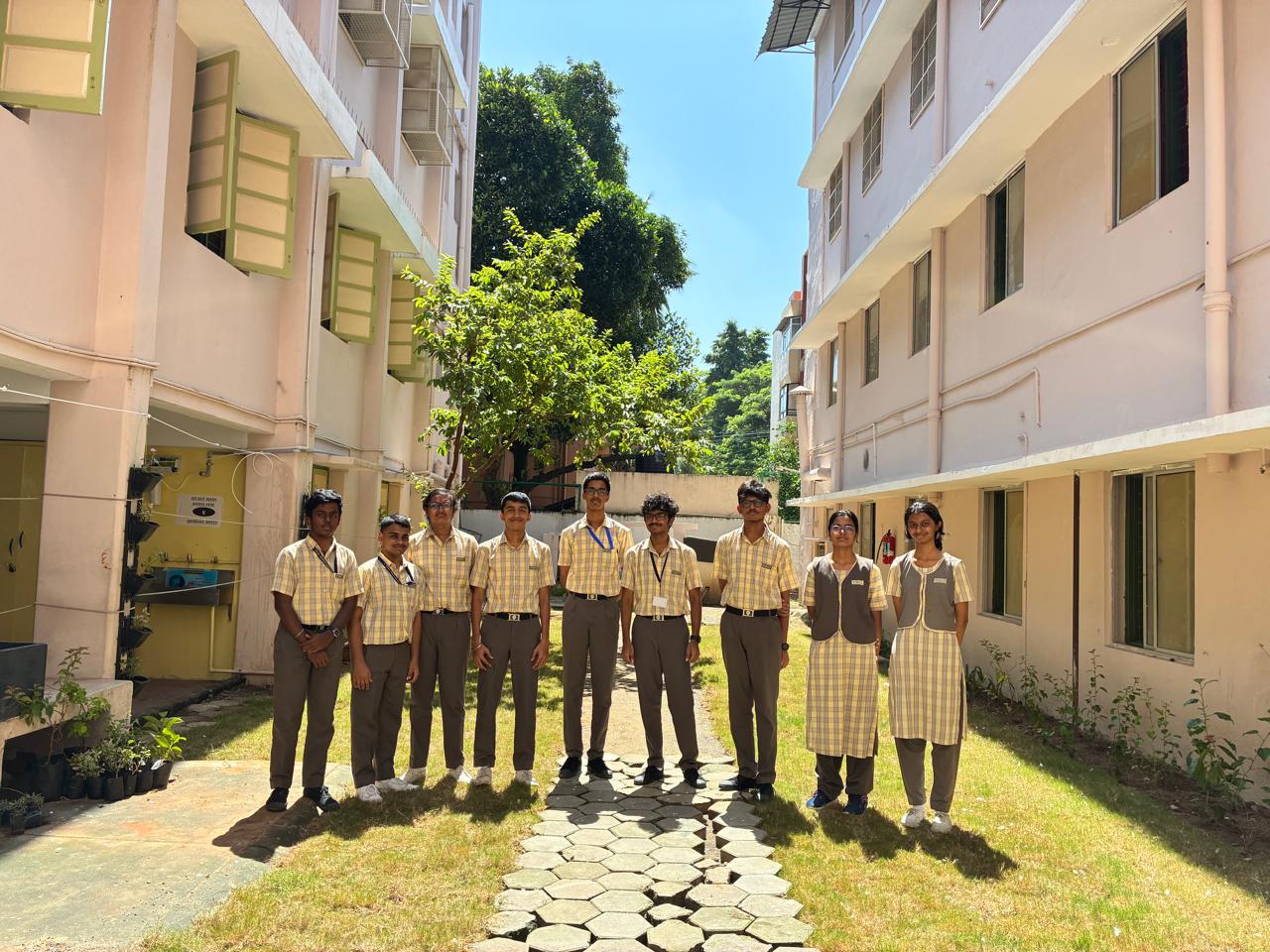
- Student Volunteers
- 50+
- Student Volunteers
- Cities
- 1
- City
About MADFLUX
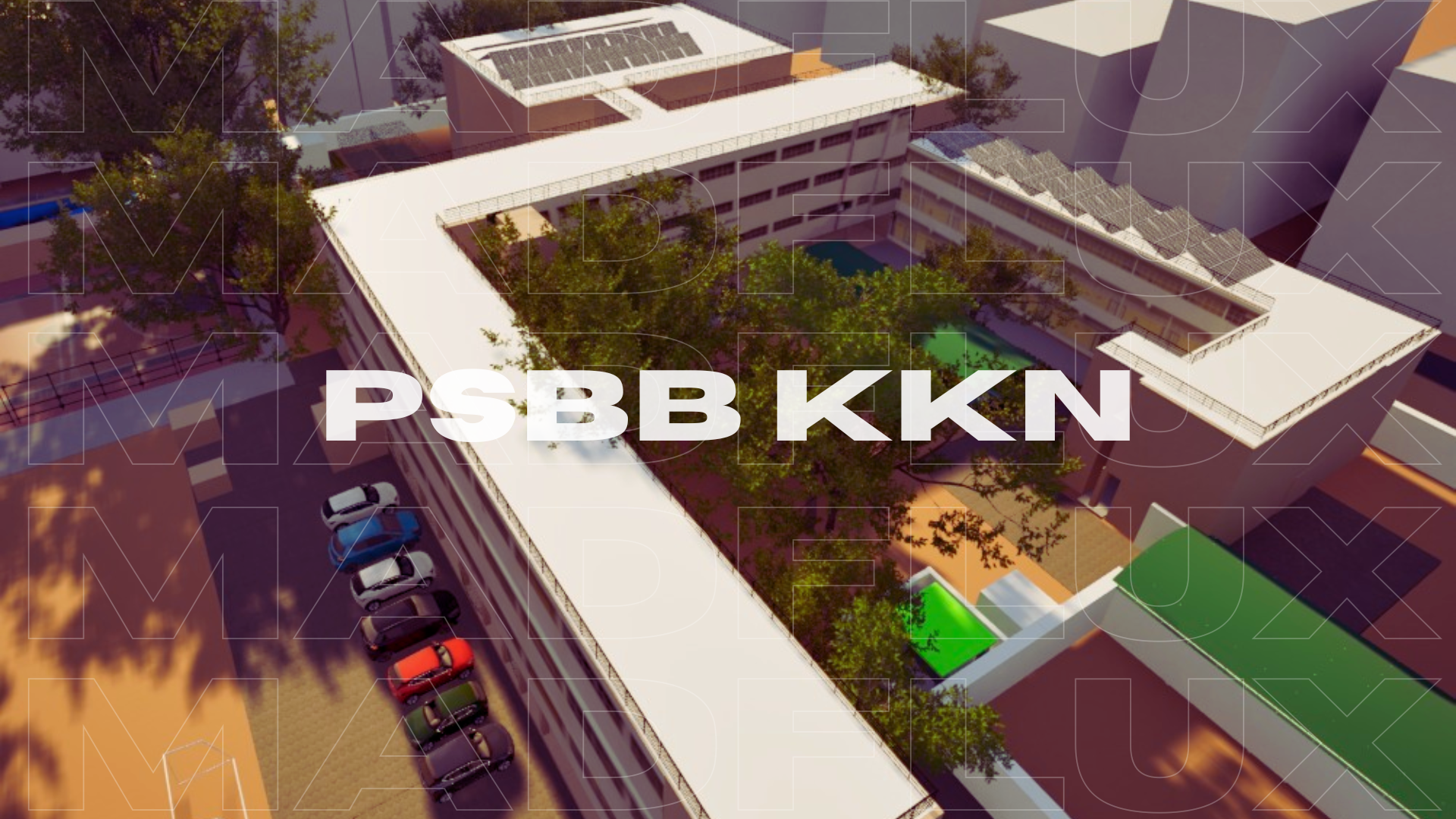
MADFLUX (Madras Flow Upscaling Expedition) is a youth-led program focused on SDG 11 — Sustainable Cities and Communities. We build a Virtual Physical Thermal Environment Replica (VPTER), validate it with live sensors, and implement game-changing facilities to create measurable cooling and wellness impacts on the campus, with plans to expand to the surrounding locality.
- Evidence-based design via digital twin and CFD for local microclimate adaptation
- Implement game-changing solutions that creates genuine difference in the long term
- Student leadership, open data, and community engagement for lasting impact
Our timeline
- Timeline
- Sept 11–27
Initiation & Baseline
GIS mapping, manual measurements, procurement manifest.
- Sept 28–Oct 5
Static Digital Twin
Build VPTER, run baseline CFD and thermal simulations.
- Oct 6–8
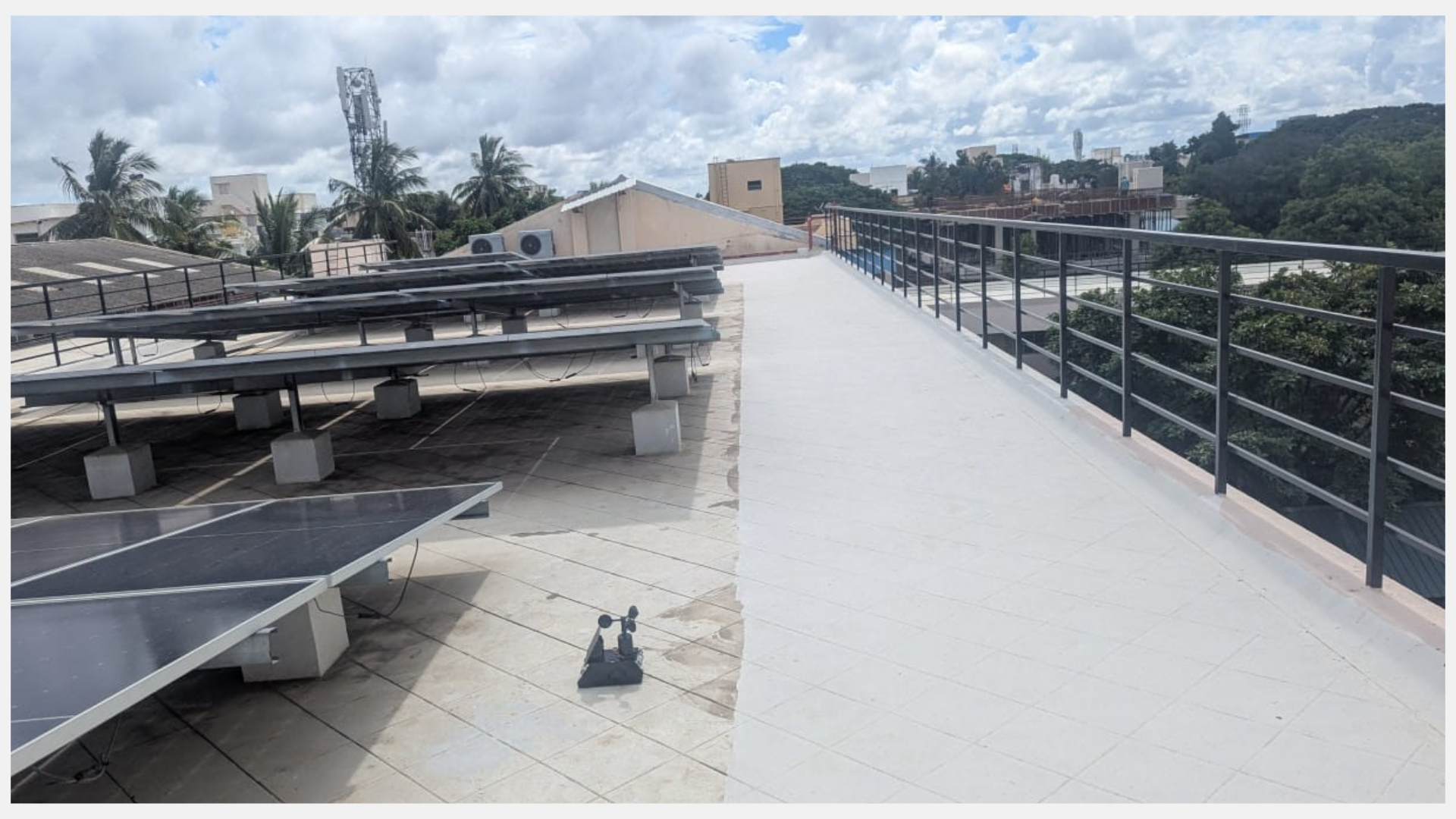
Weather Station Setup
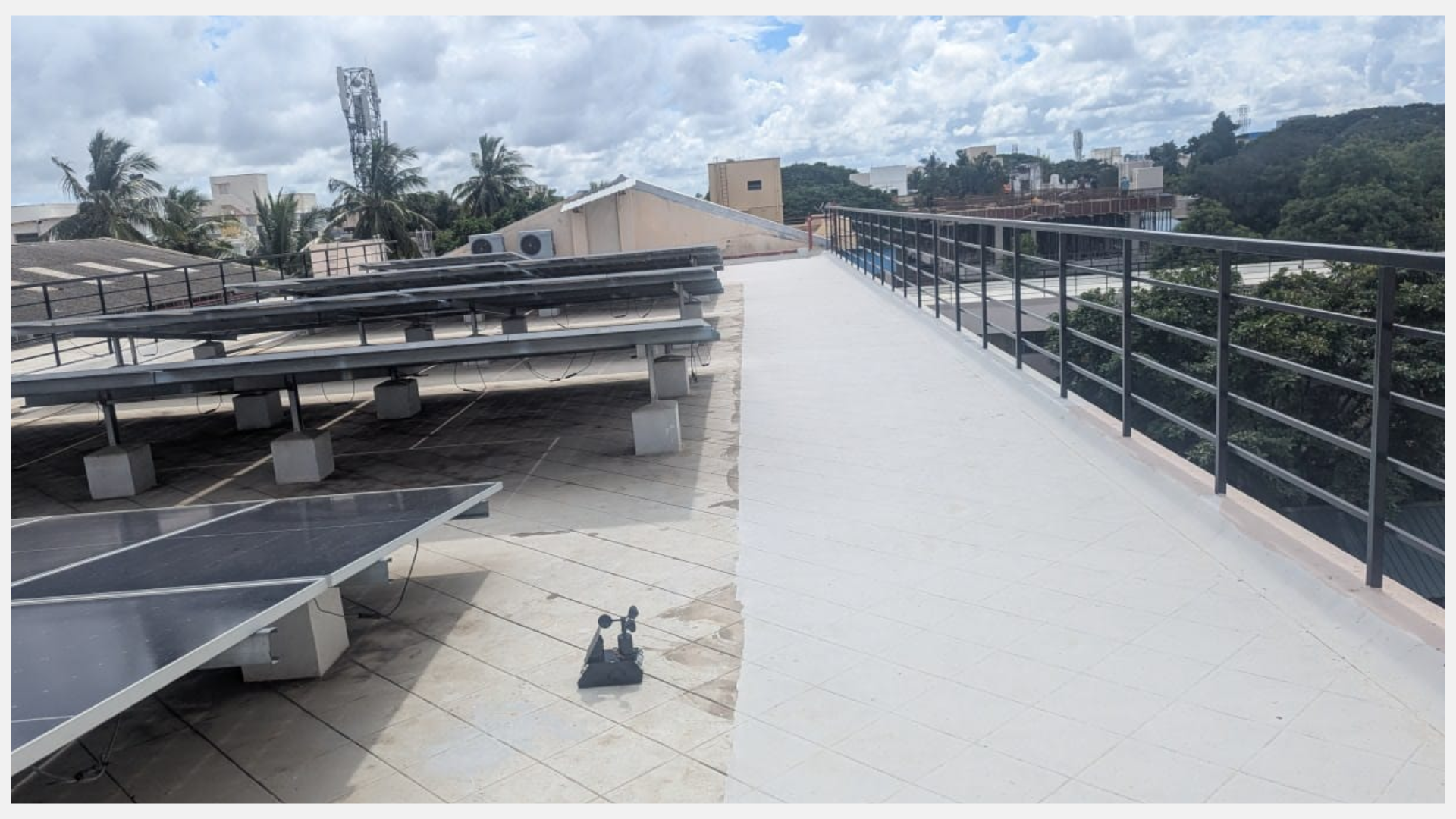
Assemble, install, and calibrate multi-sensor station.
- Oct 9–15
Green Corridors & Wind Flow
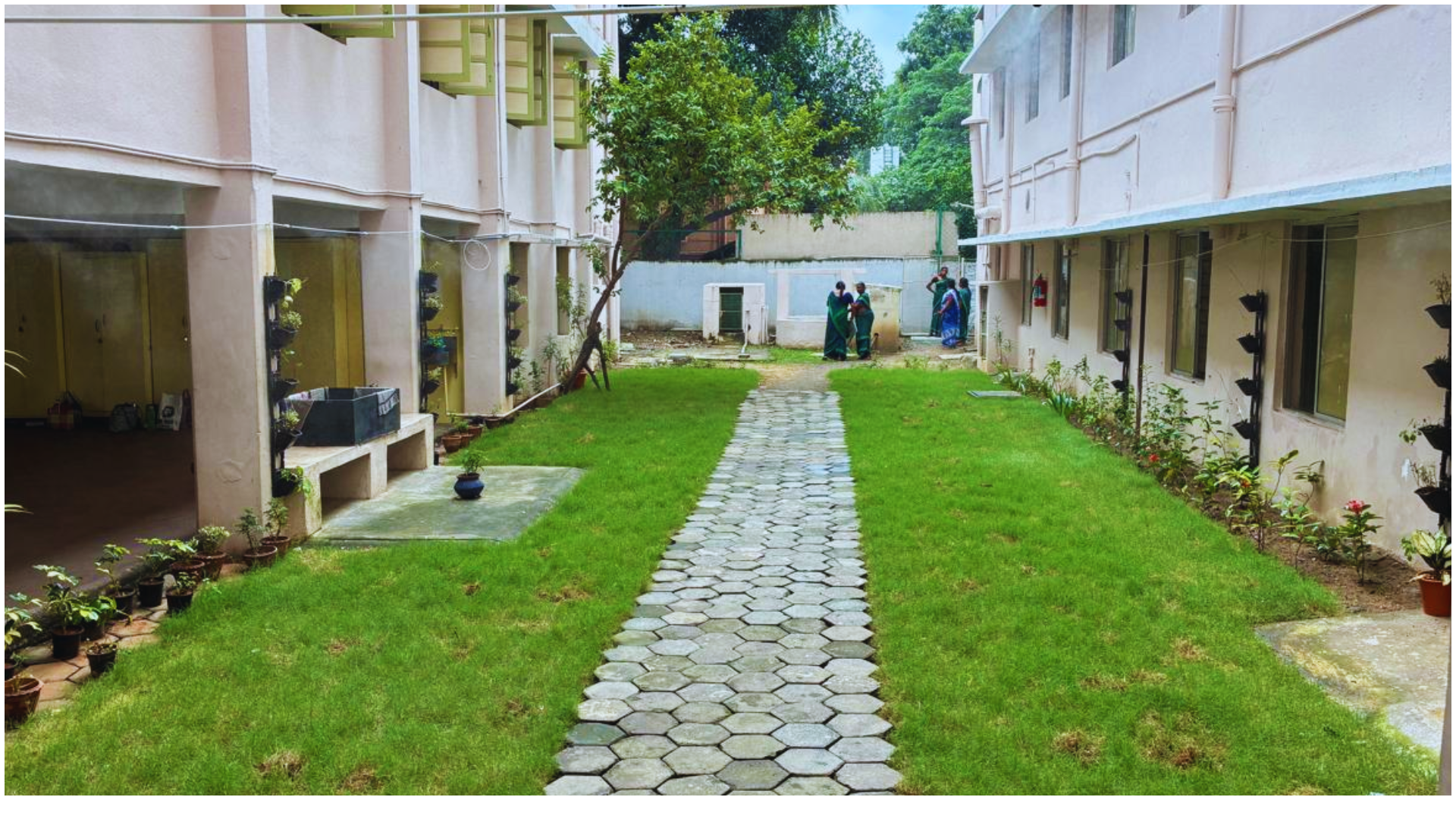
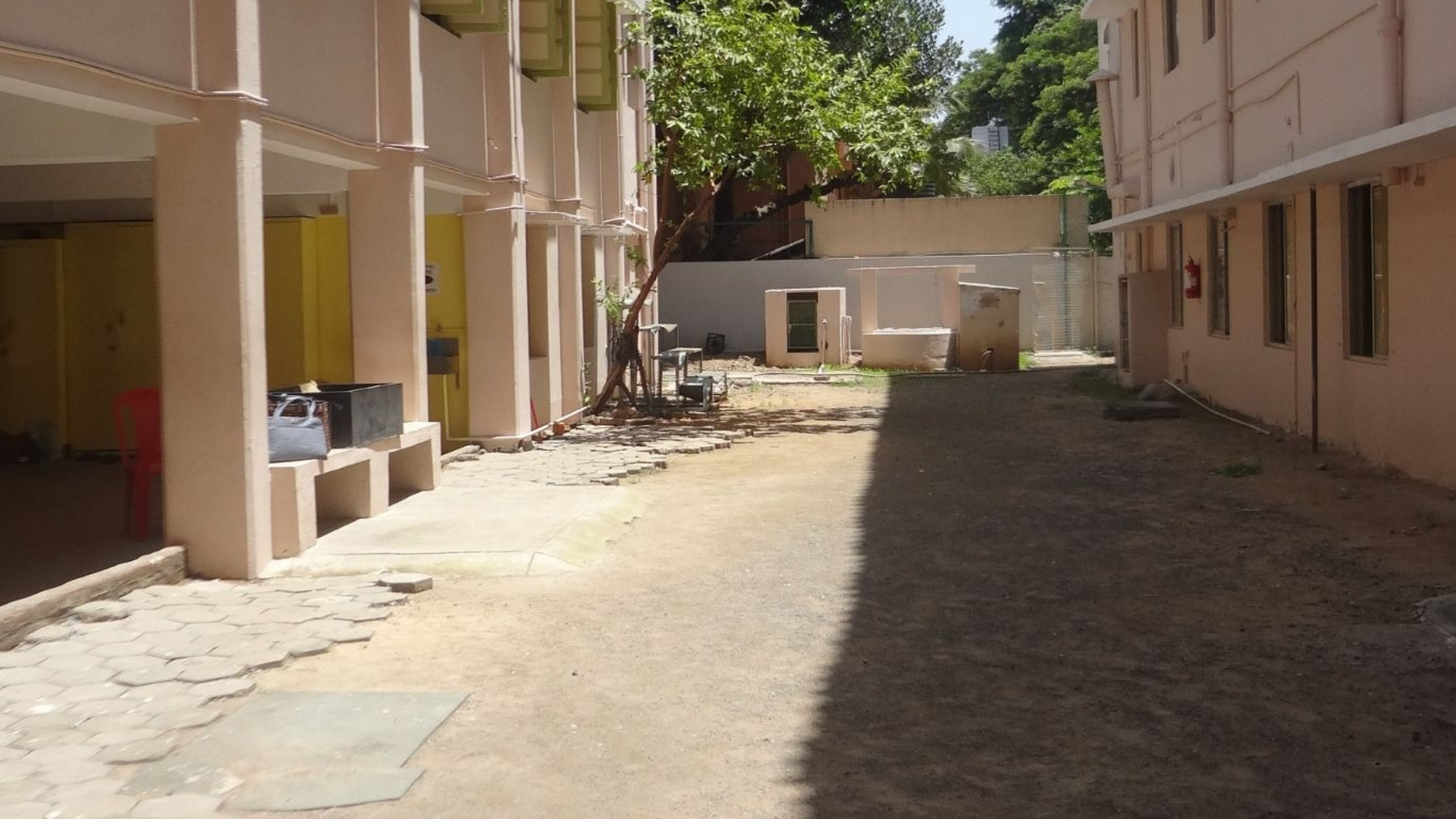
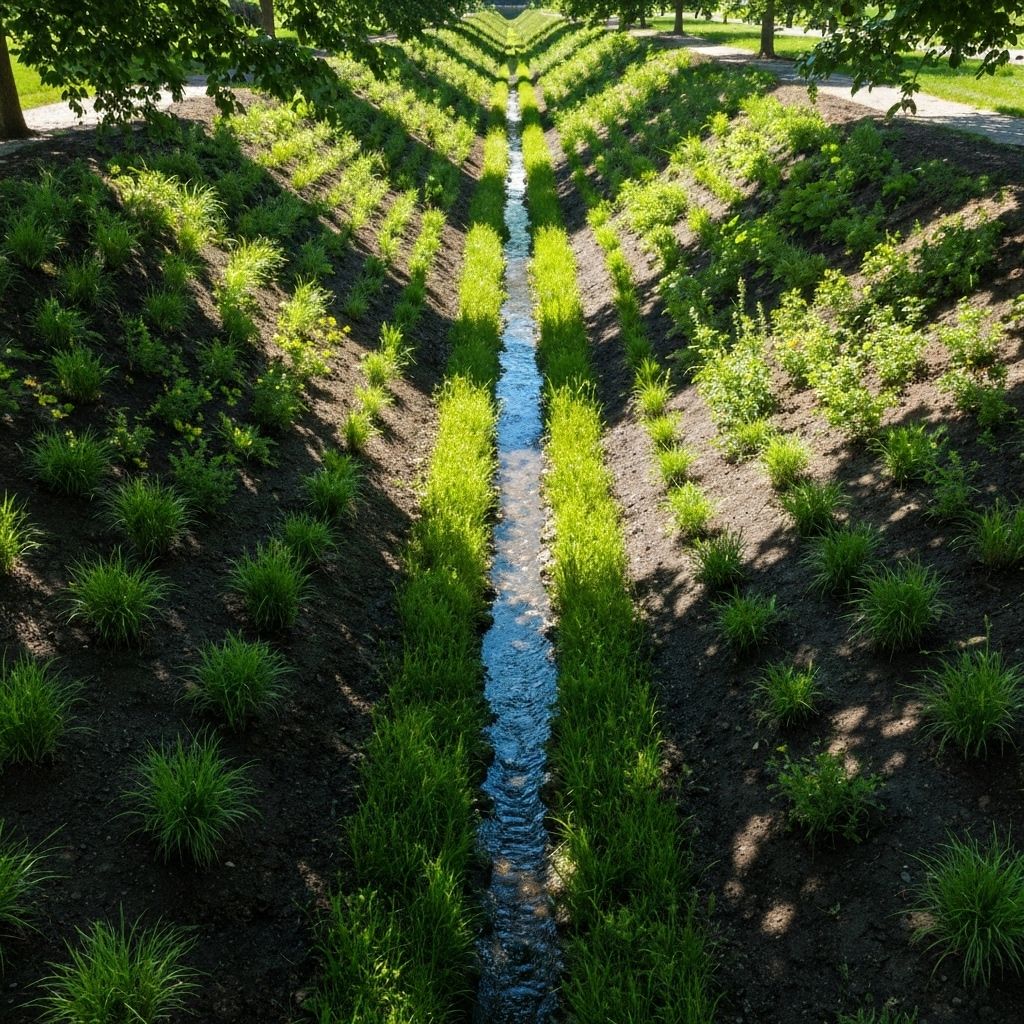
Placing grasslands and planting corridors of green plants to divert wind flow and mitigate UHIs, with fogger and misting features.
- Oct 16–20
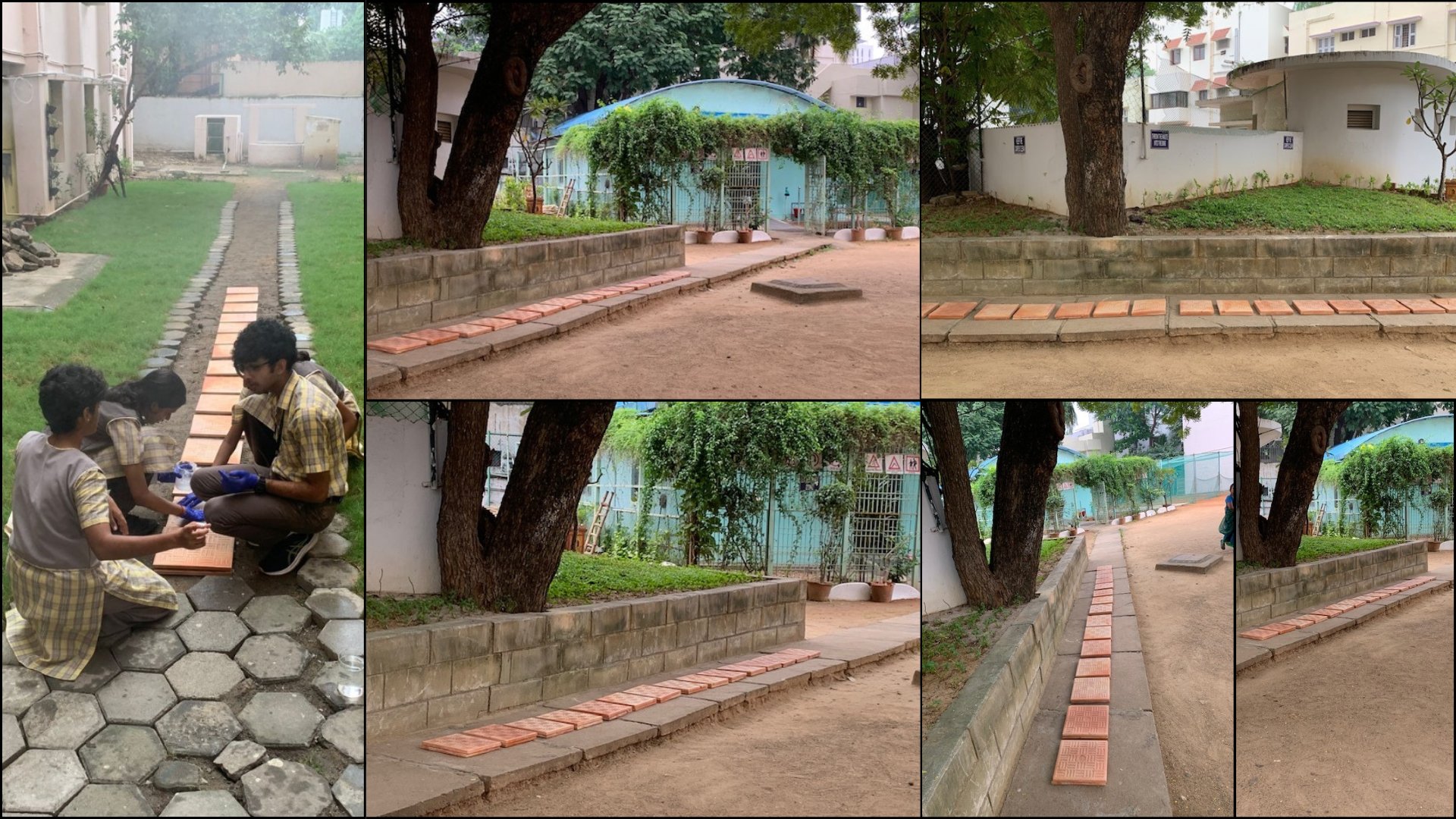
Hydroponic Build
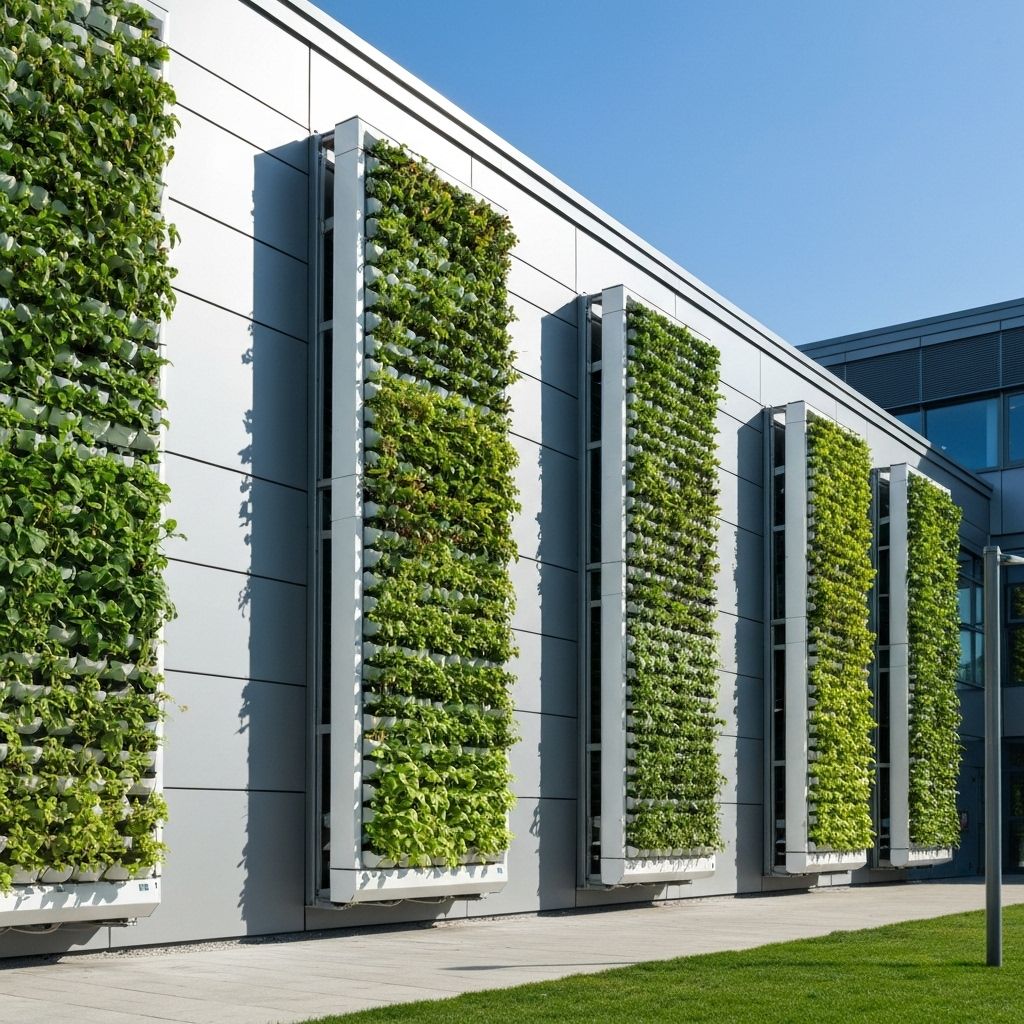
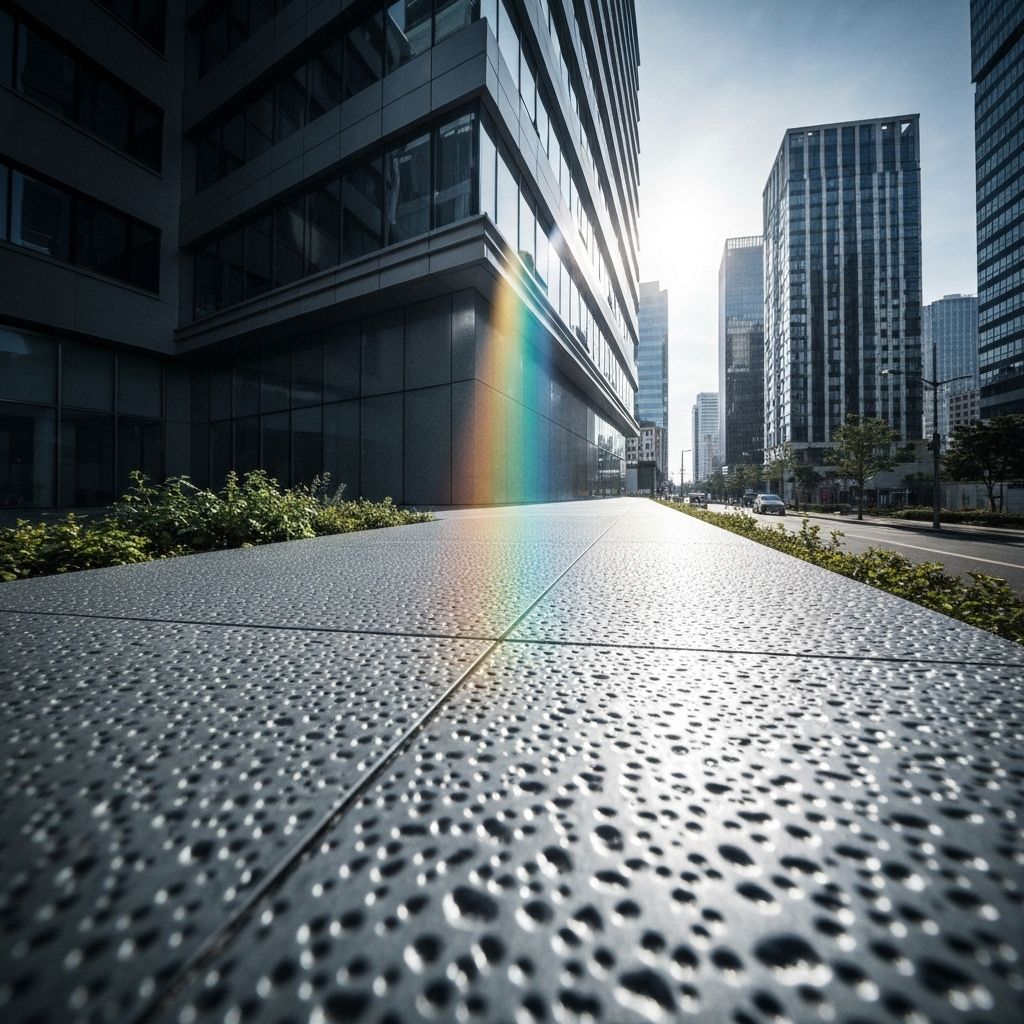
Install vertical modules and irrigation on target façades; integrate EvapFog cooling tiles for cooler walking surfaces and heat reduction via evaporative cooling.
- Oct 10–20
Engagement & Outreach
Blog, bug bounty, Green Data Day with live demos.
- Oct 21–30
Observation & Submission
Measure impact, analyze RMSE, compile TGELF dossier.
Our work
Gallery